Best Seasons for Brick Painting
Brick paintings are most effectively applied during specific weather conditions to ensure durability and optimal adhesion. Timing is crucial to prevent issues such as peeling, cracking, or uneven finishes. Understanding the ideal seasons and environmental factors can enhance the longevity of brick paintings.
Spring and early fall are considered the best times due to moderate temperatures and low humidity, which help paint adhere properly.
A temperature between 50°F and 85°F (10°C to 29°C) is recommended for painting brick surfaces to prevent issues caused by extreme heat or cold.
Low humidity levels minimize the risk of moisture-related problems, making dry, clear days preferable for brick painting projects.
Rain, high humidity, and freezing temperatures should be avoided during the painting process to ensure proper curing and adhesion.
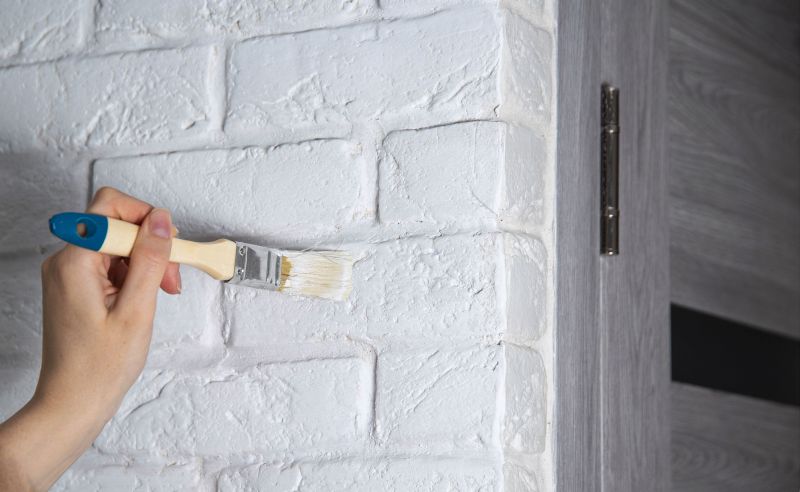
Ways to make Brick Paintings work in tight or awkward layouts.

Popular materials for Brick Paintings and why they hold up over time.
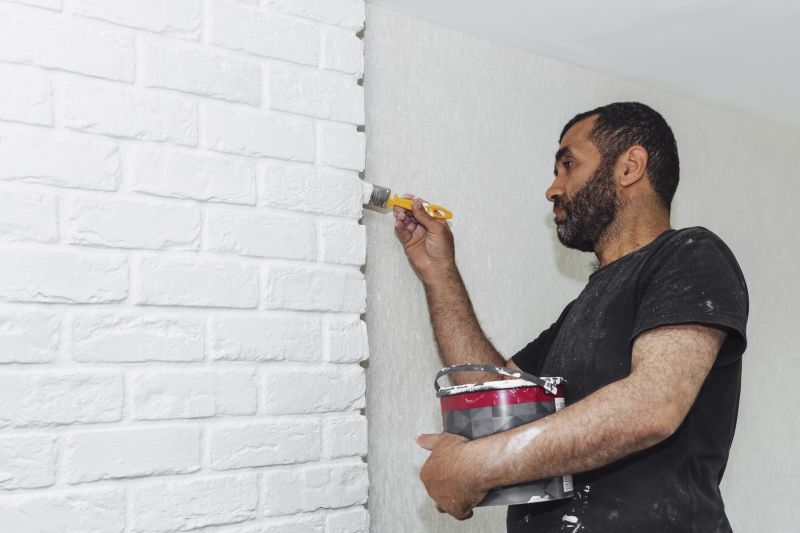
Simple add-ons that improve Brick Paintings without blowing the budget.
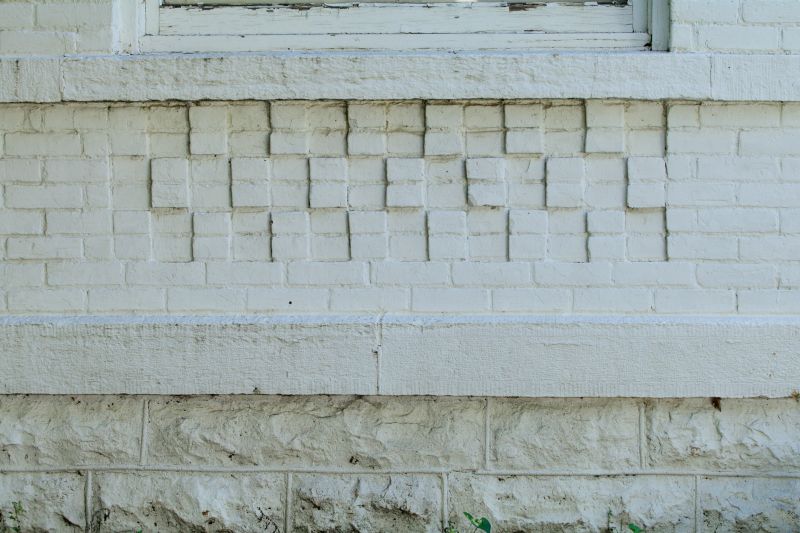
High-end options that actually feel worth it for Brick Paintings.
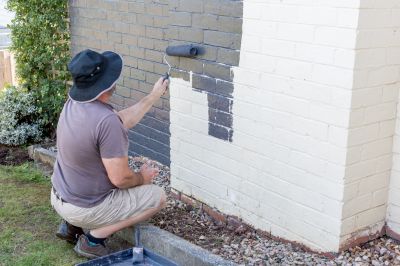
Finishes and colors that play nicely with Brick Paintings.
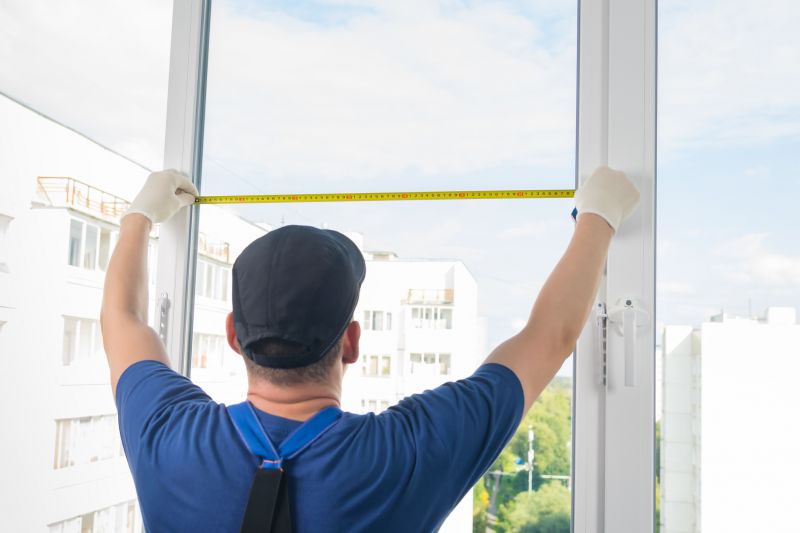
Little measurements that prevent headaches on Brick Paintings day.
Brick paintings serve both aesthetic and protective functions, enhancing the appearance of brick surfaces while providing a barrier against weather elements. Proper timing ensures that the paint bonds well with the brick, maintaining its color and texture over time. Seasonal considerations are essential for achieving a uniform and durable finish.
Statistics indicate that painting during optimal weather conditions can extend the lifespan of the finish by several years. Proper preparation, including cleaning and priming, combined with ideal weather, results in fewer touch-ups and repairs. The choice of paint type also influences the best timing for application.